




Flash Rusting After Sandblasting: What to Do (and What Never to Do) in Saudi Arabia's Harsh Climate
Published by Blastline Online | Surface Preparation Insights for the GCC
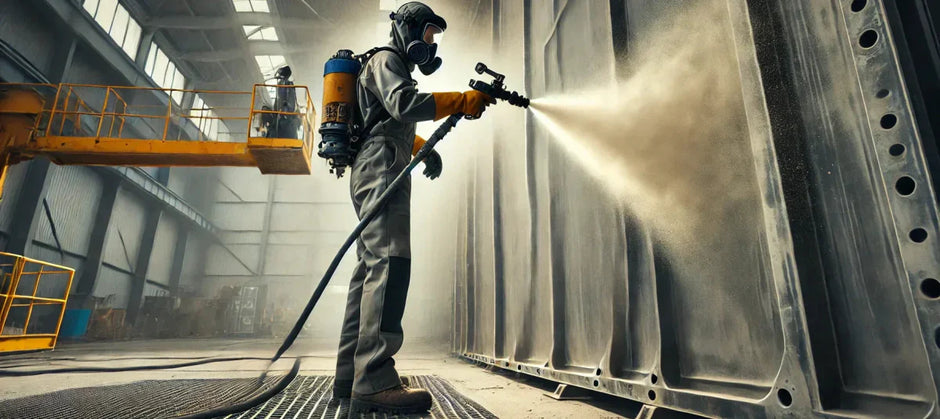
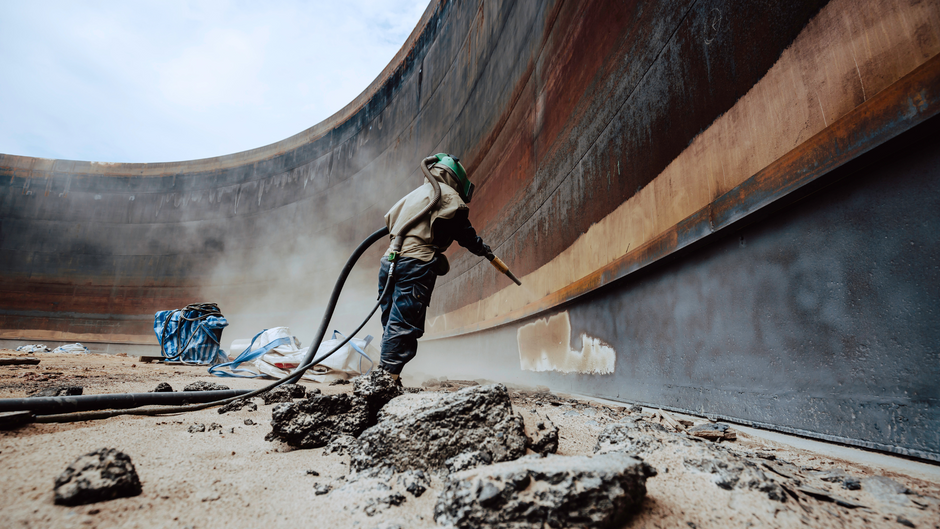
You just finished a perfect blast. The surface profile is sharp, the steel is clean, and the anchor pattern looks exactly right. Then you walk away for 20 minutes — and come back to a uniform reddish-orange haze spreading across the entire panel.
That is flash rusting. And in Saudi Arabia, it happens faster than almost anywhere else on earth.
What Is Flash Rusting — and Why Does It Hit So Hard in the GCC?
Flash rusting is the near-instant oxidation of freshly blasted steel. The moment bare metal is exposed to moisture and oxygen, iron atoms begin reacting with both to form iron oxide. Under normal conditions, this process takes hours or days. In the GCC, it can take minutes.
✅ What To Do: Best Practices to Prevent Flash Rusting
1. Check the Dew Point Before Every Shift
The surface temperature of the steel must be at least 3°C (5°F) above the dew point before you begin blasting.
2. Blast Only What You Can Coat Immediately
In high-humidity coastal environments like Dammam and Jeddah, your coating window after blasting can be as short as 30 to 60 minutes.
3. Use Dry, Contamination-Free Compressed Air
Check your moisture separators and inline dryers at the start of every shift.
❌ What Not to Do
❌ Do Not Blast During Peak Humidity Windows
Relative humidity is highest in the early morning and late evening in coastal cities.
❌ Do Not Reuse Contaminated Abrasive Without Inspection
Recycled steel grit that has been sitting on a humid job site absorbs moisture and fine rust particles.
For abrasive blasting equipment, media, and surface preparation supplies in Saudi Arabia and the GCC, visit Blastline Online.